
Home > News > CC In the World >
Camden Conference in the World ~ July 2024
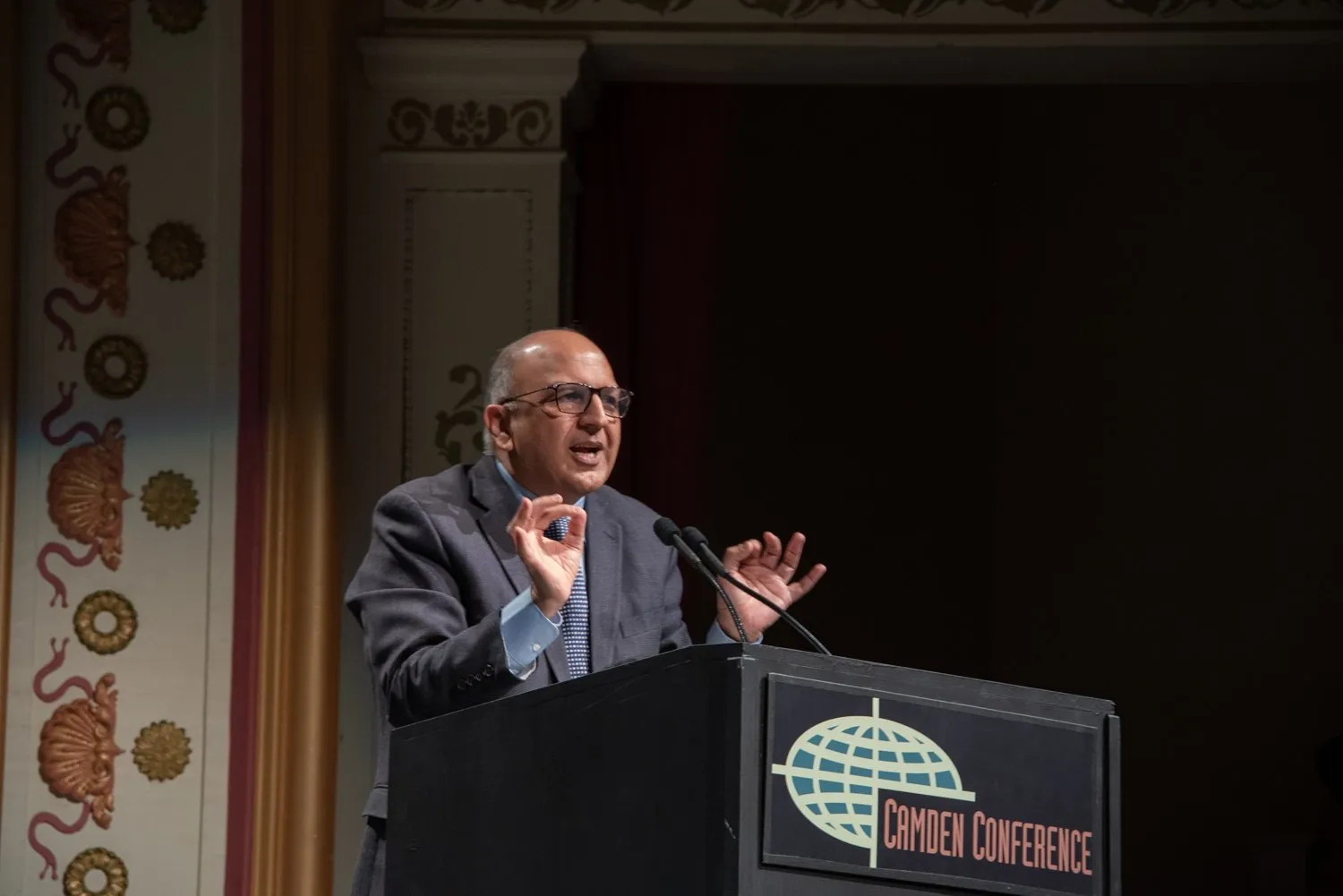
Speakers from Camden’s 2024 Conference on India wrote and were quoted widely in the West on the surprise results of India’s extended general election, in which Prime Minister Narendra Modi unexpectedly lost rather than gained seats in parliament. Modi has secured a third term in office, but only by forming a coalition with two regional parties.
Pratap Bhanu Mehta in an interview with NPR admitted to surprise at Modi’s weak showing in the election. “I think there is some comfort in the fact that, … finally Indian voters decided, look, we can tolerate intolerance only up to a point. After that, it becomes a deal-breaker.” Mehta, a prominent Indian academician and Modi critic, expanded on his relief in Foreign Affairs: “The BJP’s humbling at the ballot box has saved Indian democracy. It has once again made India’s political landscape competitive. Revived competition will embolden both independent institutions and civil society. It will force Indian businesspeople who had unequivocally backed Modi’s agenda to hedge their political bets.”
Peter Goodman, global economics correspondent for the New York Times and keynoter for Camden’s 2023 Trade conference, interviewed 2024 speaker Arvind Subramanian, a former chief economic advisor to an earlier Modi government, on the economic struggles Modi now faces. “There has been a sense that employment growth has been weak in the last four, five years,” Subramanian told Goodman. “The whole manufacturing thing bypassed India … It’s that bigger development failure that is continuing to haunt India.”
Subramanian last month also co-authored a piece in Foreign Policy arguing that the “hyperglobalization” of the 1980s and beyond was not the failure many have recently declared it to be. “The world will survive a U.S.-Chinese trade war. But it will become poorer and more unequal if it abandons the medium-term goal of achieving a more integrated global trading regime,” the authors argue. “Hyperglobalization’s total demise could mark a dangerous retreat from the policies that underpinned history’s most golden period of economic development.”
Ashutosh Varshney, director of the Center for Contemporary South Asian studies at Brown University, explained the background as well as the implications of the recent election to the Watson Institute’s Trending Globally podcast. He described traveling widely around India and talking to hundreds perspective voters around the time of the election in May. “Most surprisingly,” Varshney said of his conversations, many ordinary people “were worried about what might happen about the constitution… and that affirmative action for the lower casts might disappear.” Muslim citizens, he added, were of course worried about being turned into “second-class citizens.”
Student Education Fund
Help ensure that future generations are informed and engaged on crucial global issues.